

Silver Paste
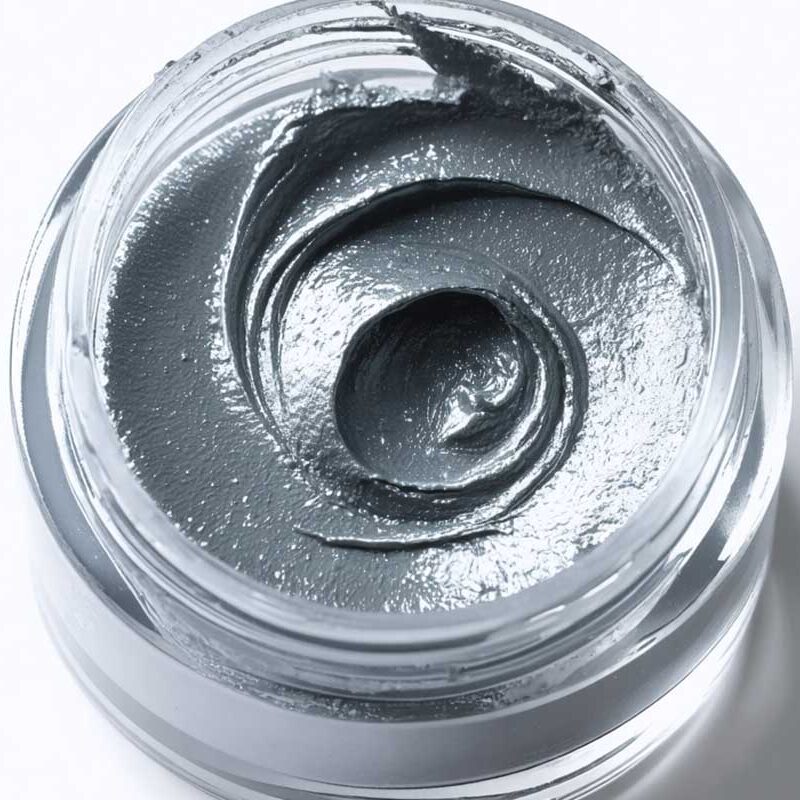
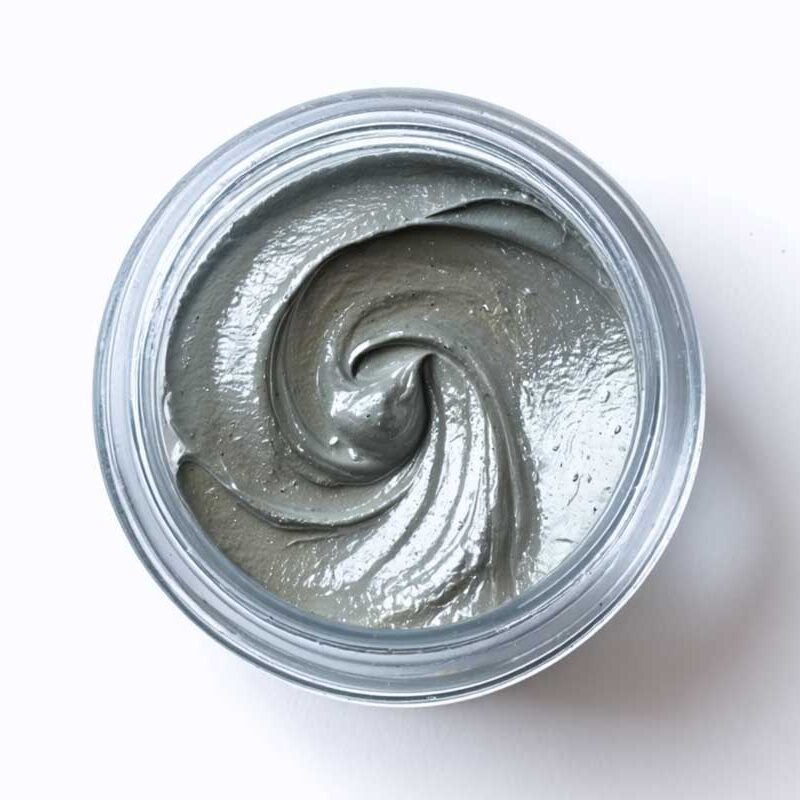
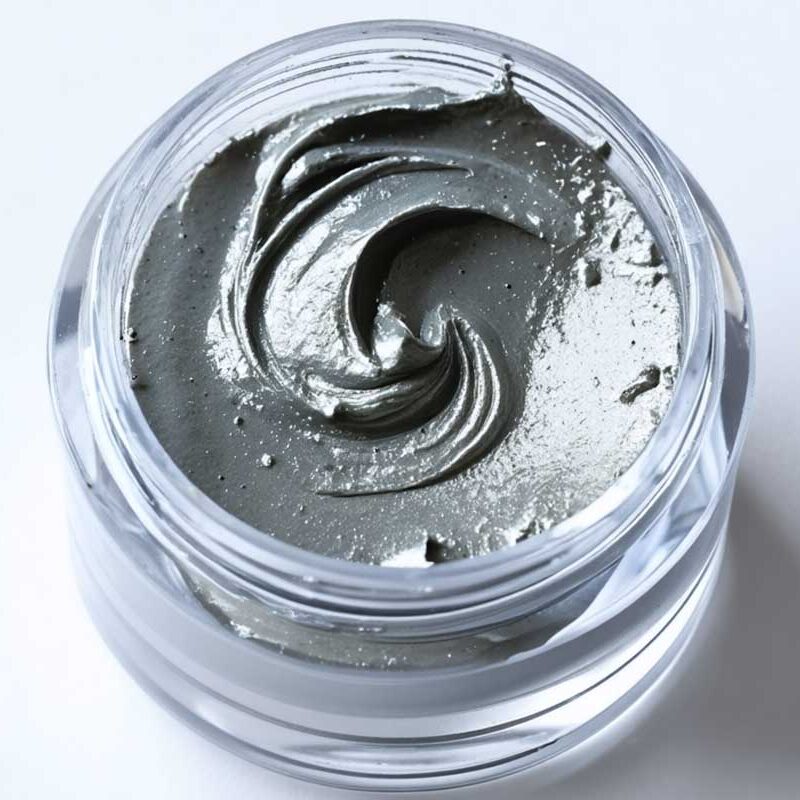
Nanografi Chemicals produces silver paste, also known as silver conductive paste, a material widely used in the electronics industry. It consists of silver particles dispersed in a binder and a solvent, which gives it excellent electrical conductivity. It provides robust and reliable electrical connections while also offering thermal benefits, which makes it a widely used material in modern electronics manufacturing. For carbon-based electrode layers, see also our conductive carbon paste.
How to Use Silver Paste?
Clean and dry the application surface completely, stir the paste well, ensuring no particles are settled at the container’s bottom, use a brush for an even application. For spray methods, dilute with a Pu Solvent at a 2:1 ratio, allow it to dry for about 10 minutes, adjust based on room temperature and for the best coating, air-dry for 4-8 hours.
Applications of Silver Paste
It has various application areas such as photovoltaic solar cells, thick film circuits, semiconductor die connection. Silver paste plays a crucial role in the production of solar cells by providing efficient electrical connection, while silver paste is used to create conductive paths and components in the fabrication of thick-film circuits. In addition, it has become one of the promising materials in the industry by providing a stable electrical and thermal connection between the semiconductor die and its package.
Technical Properties
Product Code | Viscosity |
Viscosity | 11-30 Pa.S |
Sheet Resistance | ≤30 mΩ/□ |
Bending Times | ≥6 |
Adhesion | No Shedding |
Hardness | ≥2 |
Curing Tem. | 80~120℃ ≤30min |
Thinner | DBE |
Cleaner | Cyclohexanone |
Applications
- Silver Conductive Adhesive Paste is mainly used as the conductive
- Silver Conductive Adhesive Paste is used for the backside of solar cell
- Silver Conductive Adhesive Paste is used for inner electrode
- Silver Conductive Adhesive Paste also has good properties in damp-heat resistance and chemical
- Silver Conductive Adhesive Paste is widely used in home supplies